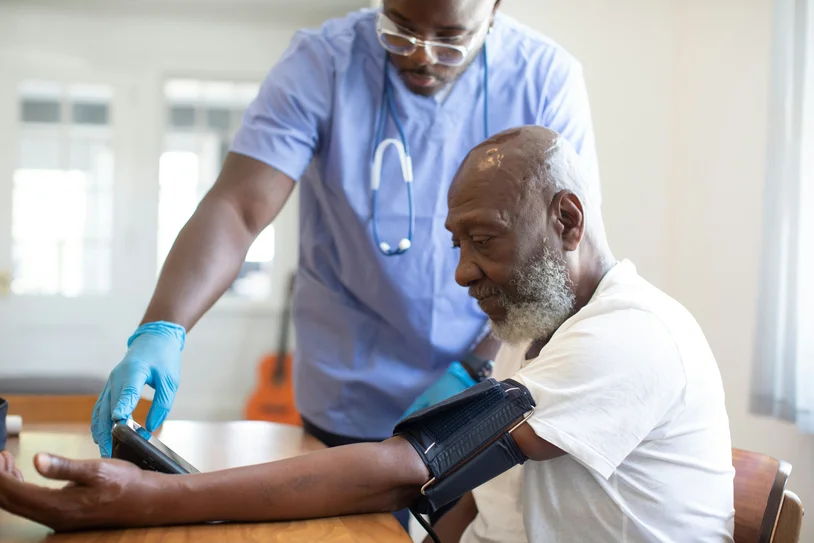
No-shows cost the US healthcare system an estimated $150 billion per year, with rates varying from 5.5% to 36% depending on specialty and patient population. For a 2-provider primary care practice seeing 25 patients per day at $150 average visit value, a 15% no-show rate means $562 in lost daily revenue — $140,000 annually. AI patient communication platforms that reduce no-shows by 5–8 percentage points recover that revenue at a tool cost of $150–$300/month. The math is unusually clear.
Why Traditional Reminder Calls Don't Work in 2026
The standard approach to no-show reduction — staff calling patients 24–48 hours before appointments — fails for three reasons that have become more pronounced over the past five years.
Voicemail rates have risen dramatically. Most patients under 50 don't answer calls from unknown numbers. A reminder call that goes to voicemail provides no confirmation of attendance and requires follow-up, consuming front desk time with no guarantee of impact.
Call avoidance is the norm. Patients who receive a reminder call and don't intend to attend often simply don't answer — knowing that ignoring the call is easier than canceling. The call generates a false sense of security for the practice while doing nothing to fill the slot.
Front desk capacity is already stretched. Making reminder calls for 30–40 appointments takes 1–2 hours of front desk time — time that's coming from check-in, phone coverage, and administrative tasks that are simultaneously competing for the same bandwidth.
AI patient communication platforms solve all three problems simultaneously. They reach patients through the channel they actually respond to (text message), require no front desk time, enable two-way responses (confirm, cancel, reschedule), and automatically fill cancelled slots from a managed waitlist.
How AI Scheduling and Reminders Actually Work
Before recommending tools, let me explain the mechanism — because understanding what AI does here determines how you evaluate whether a platform is worth paying for.
The reminder sequence: AI platforms connect directly to your EHR or scheduling system via integration. When an appointment is booked, the platform automatically schedules a reminder sequence: typically an initial confirmation immediately after booking, a reminder 72 hours before the appointment, and a final reminder 24 hours before. Each message includes a confirmation link — patients tap "confirm" or "reschedule" directly from the text.
Two-way messaging: When a patient responds to a reminder — confirming, canceling, or asking a question — the AI platform captures the response and routes it appropriately. Confirmations update the scheduling system. Cancellations trigger the waitlist fill process. Questions route to the front desk inbox with context.
Waitlist automation: The highest-value feature that most practices underuse. When a patient cancels, the platform automatically contacts patients on the waitlist for that provider and time slot, offering the opening and booking the replacement in real time. A same-day cancellation that would previously sit empty is filled within minutes — without front desk involvement.
EHR write-back: Better platforms write confirmed appointments, cancellations, and reschedules back to the patient record in the EHR in real time. Your schedule in the EHR reflects actual confirmed attendance — not a list of appointments that may or may not show up.
Luma Health — The Patient Communication Platform
Luma Health is built specifically for healthcare patient communication — automated reminders via text, two-way messaging, and waitlist management. It offers a BAA and works with most major EHRs.
What Luma Health does:
- Automated appointment reminders via SMS and email at configurable intervals
- Two-way messaging: patients confirm, cancel, or reschedule via text reply
- Waitlist management: automatic outreach to waitlisted patients when a slot opens
- Broadcast messaging: notify patient populations of schedule changes, closures, or health information
- Multi-location and multi-provider management from a single dashboard
Luma Health's strength is enterprise-style campaign automation — multi-step recall sequences, mass broadcast messaging, and population health filtering by diagnosis code or last-visit date. These capabilities are more sophisticated than most independent practice needs, but they're available if your patient population requires them.
The honest limitation: Luma Health's pricing tiers and feature set can be mismatched for a clinic with three exam rooms and two front-desk staff. The platform is designed for scalability, which means it carries complexity overhead that smaller practices may not need.
Pricing: Custom — requires a demo call. Industry benchmarks suggest $150–$400/month for small practices depending on provider count and feature selection.
HIPAA compliance: BAA available. HIPAA-compliant by design.
Best for: Primary care, multi-specialty practices, and any practice with high appointment volume where population-level messaging and complex recall campaigns are valuable.
NexHealth — Scheduling Depth with EHR Sync
NexHealth leads on EHR sync fidelity. Its bidirectional integration writes confirmed appointments, cancellations, and intake form responses back to the patient record in real time — a capability that matters when your MA is pulling the schedule 20 minutes before a patient arrives and expects it to be accurate.
What NexHealth does:
- Online scheduling with a booking widget embeddable on your website
- Bidirectional EHR integration (appointments sync both ways in real time)
- Insurance pre-screening during the booking process
- Automated appointment reminders via text and email
- Patient portal with appointment history and intake form completion
- Recall campaigns for overdue appointments (preventive care, follow-ups)
NexHealth's strength is booking workflow completeness — a patient can find an available slot, book it, complete intake forms, verify insurance eligibility, and receive automated reminders, all in one platform that syncs cleanly with the EHR.
The honest limitation: NexHealth is purely a messaging and scheduling platform. If a patient calls the front desk, that conversation lives outside NexHealth's inbox. Practices that run a high-volume inbound call mix will need a separate phone solution alongside NexHealth.
Pricing: Custom — requires a demo call. Similar pricing range to Luma Health for small practices.
HIPAA compliance: BAA available. SOC 2 Type II certified.
Best for: Dental practices, dermatology, and any specialty where EHR sync accuracy is critical and online self-scheduling is a significant patient acquisition channel.
Klara — Messaging-First Patient Communication
Klara takes a different approach: messaging as the primary interface for all patient communication, rather than scheduling automation as the core product.
What Klara does:
- HIPAA-compliant two-way messaging between patients and the practice
- Appointment confirmations and reminders via the Klara patient app
- Digital intake forms and consent documents via messaging
- Internal team messaging and task assignment
- Patient-facing chat widget for website and portal
Klara's strength is the messaging experience for practices where ongoing patient communication — not just appointment reminders — is a bottleneck. For a mental health practice, a dermatology clinic, or any specialty where patients frequently have non-urgent questions between appointments, Klara's messaging infrastructure handles this HIPAA-compliantly without consuming staff time.
The honest limitation: Klara is messaging-first, not scheduling-first. If your primary problem is no-shows and waitlist management, Luma Health or NexHealth are better fits. Klara is the right choice when the communication gap — patients struggling to reach the practice for non-urgent matters — is the primary problem.
Pricing: Custom — requires a demo call.
HIPAA compliance: BAA available. HIPAA-compliant.
Best for: Mental health, primary care, and any specialty with high between-appointment patient communication volume.
The Waitlist System: The Most Underused No-Show Tool
Every practice with appointment availability constraints has patients who would take a same-day or short-notice appointment if offered one. The waitlist system is the mechanism that converts cancellations into filled slots — automatically, without front desk involvement.
How to build an effective waitlist:
At booking: When a patient calls or books online, ask: "Would you like to be on the waitlist for an earlier appointment if one becomes available?" Most patients say yes. Capture their preference for time of day (morning, afternoon), day of week, and advance notice preference.
In the platform: Configure the waitlist in your patient communication platform. When a cancellation occurs, the system contacts the next patient on the waitlist automatically — by text — with the opening, the time, and a link to confirm. First patient to confirm gets the slot.
The manual backup: For platforms without waitlist automation, a simple shared spreadsheet with waitlist patient names and preferred times, managed by the front desk, captures 60–70% of the value of automated waitlist management. It's not elegant, but it fills slots.
The revenue math on waitlist automation: A 3-provider practice with 15 cancellations per month. If the waitlist fills 60% of those slots (9 appointments) at $150 average visit value = $1,350/month in recovered revenue. This alone typically covers the monthly cost of the patient communication platform.
The Reminder Sequence That Works
Not all reminder sequences are equally effective. Based on industry data and practice implementations, here's the configuration that produces the best no-show reduction:
Booking confirmation (immediate): A confirmation text immediately after booking with appointment details, location/telehealth link, and any prep instructions. Patients who receive immediate confirmation are significantly less likely to forget — or to book with another provider in the same window.
72-hour reminder: The first reminder with a confirmation request. "Your appointment with Dr. [Name] is in 3 days. Reply YES to confirm or NO to reschedule." At 72 hours, patients still have time to reschedule without same-day disruption.
24-hour reminder: Final confirmation with appointment details and any final prep reminders. If the patient hasn't confirmed from the 72-hour message, this is the last chance to fill the slot if they're going to cancel.
2-hour reminder (for same-day appointments): For practices with same-day booking, a 2-hour reminder with the office address and parking information reduces the specific no-show type caused by patients forgetting they booked same-day.
The ChatGPT content layer:
The reminder text content itself benefits from AI drafting — not for the standard confirmations, but for the specialty-specific preparation instructions and the recall messaging that brings patients back for preventive care and follow-ups.
Write appointment reminder text messages for a
[specialty] medical practice.

Message 1 (72 hours before): Appointment reminder
with confirmation request. Include: provider name,
date, time, location. Friendly but professional.
Under 160 characters.

Message 2 (24 hours before): Final reminder with
prep instructions for [type of appointment].
Include: [any specific prep — fasting, bringing
documents, etc.] Under 160 characters.

Message 3 (recall, 6 months after last visit):
Re-engagement message for patients overdue for
[annual physical / dental cleaning / preventive
screening]. Warm, not clinical. Under 160 characters.

All messages: HIPAA-safe (no diagnosis or clinical
information in the message body).
The No-Show Reduction Timeline
Setting realistic expectations matters before any implementation:
Week 1–2: Platform setup and EHR integration. This is the most friction-heavy period — expect some technical troubleshooting around EHR connection and staff training on the new workflow.
Month 1: Initial no-show rate data. The platform is running, reminders are sending. No-show rates typically show a 2–4 percentage point reduction in month 1 as the most common failure mode (patients forgetting) is eliminated.
Month 2–3: Waitlist automation effects appear. As the waitlist fills, even the remaining no-shows have less impact — the slot is filled automatically. Net revenue recovery becomes measurable.
Month 3+: Full data picture. You now have 90 days of pre- and post-implementation data. Compare no-show rates, calculate recovered revenue, and evaluate whether the platform cost is justified.
The average medical group misses 42% of incoming calls during business hours. AI patient communication platforms don't solve the phone problem — but they reduce the volume of calls required by converting routine confirmation and scheduling interactions to text. Front desk call volume drops, which means the calls that do come in get answered.
What to Do Before Signing with Any Platform
Step 1: Verify your EHR integration. Ask specifically: "Does your platform have a certified, bidirectional integration with [your EHR]?" Not "do you integrate with it" — but certified, bidirectional, and real-time. The answer determines how much manual work remains after implementation.
Step 2: Request a BAA before the trial. Any platform handling patient appointment data (which includes names, dates of service, and provider information) requires a signed BAA. Request it before sharing any patient data with the platform — even in a test environment.
Step 3: Ask for references from practices your size in your specialty. The platform that works brilliantly for a large cardiology group may not work for a 2-provider family medicine practice. Ask for 2–3 references you can actually call.
Step 4: Calculate your break-even. Take your current no-show rate, average visit value, and monthly appointment volume. Calculate how many recovered appointments you need to cover the platform cost. If it's fewer than 2 appointments per month, the investment is almost certainly justified.